Missed medication, lack of sleep, stress, alcohol, and menstruation are some of the most common triggers, but there are many more. Flashing lights can cause seizures in some people, but it's much less frequent than you might imagine.
Notice: Undefined index: tg1tga_access in /home/admin/www/anonup.com/themes/default/apps/timeline/post.phtml on line 396

Notice: Undefined index: tg1tga_access in /home/admin/www/anonup.com/themes/default/apps/timeline/post.phtml on line 396
Notice: Undefined index: tg1tga_access in /home/admin/www/anonup.com/themes/default/apps/timeline/post.phtml on line 396

Liposomes as a Vaccine Delivery System - ScienceDirect
Among the various particulate delivery systems, liposomes—bubble-like nano/microsized lipidic bilayer structures—have shown great promise as an antige…
https://www.sciencedirect.com/science/article/pii/B9780323399814000129Notice: Undefined index: tg1tga_access in /home/admin/www/anonup.com/themes/default/apps/timeline/post.phtml on line 396

Interaction of positively-charged liposomes with blood: implications for their application in vivo - PubMed
Liposomes with positively-charged lipid components have previously demonstrated efficacy in animal models for human diseases, and are currently being evaluated in human clinical studies. Cationic lipids can improve entrapment efficiency of drugs and other substances which are negatively charged, and..
https://pubmed.ncbi.nlm.nih.gov/1751523/Notice: Undefined index: tg1tga_access in /home/admin/www/anonup.com/themes/default/apps/timeline/post.phtml on line 396
Paramagnetic liposomes as innovative contrast agents for magnetic resonance (MR) molecular imaging applications - PubMed
This article illustrates some innovative applications of liposomes loaded with paramagnetic lanthanide-based complexes in MR molecular imaging field. When a relatively high amount of a Gd(III) chelate is encapsulated in the vesicle, the nanosystem can simultaneously affect both the longitudinal (R(1..
https://pubmed.ncbi.nlm.nih.gov/18972531/Notice: Undefined index: tg1tga_access in /home/admin/www/anonup.com/themes/default/apps/timeline/post.phtml on line 396
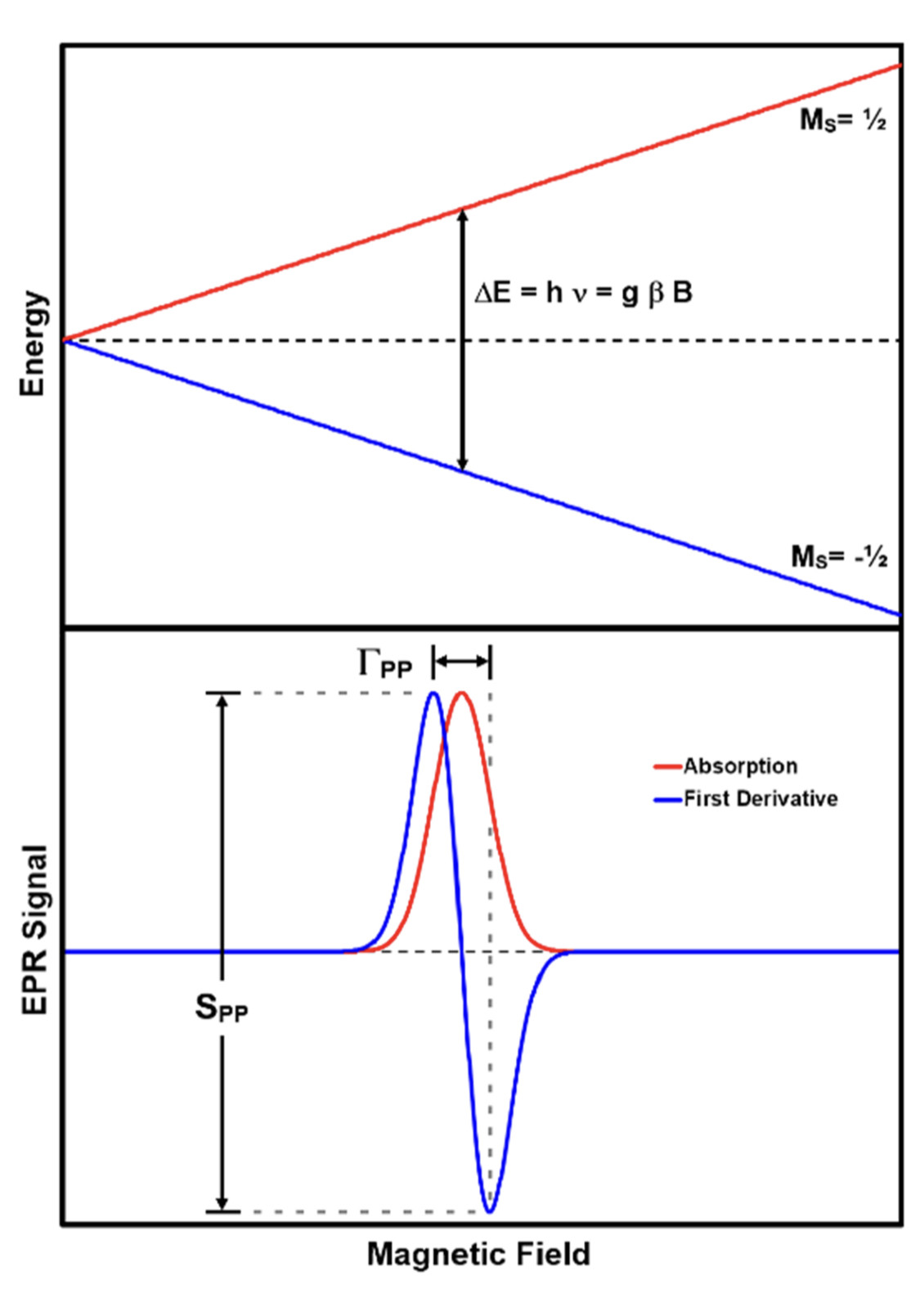
Notice: Undefined index: tg1tga_access in /home/admin/www/anonup.com/themes/default/apps/timeline/post.phtml on line 396
/ˌdʌɪəmaɡˈnɛtɪk/m
PHYSICS
(of a substance or body) tending to become magnetized in a direction at 180° to the applied magnetic field.
Notice: Undefined index: tg1tga_access in /home/admin/www/anonup.com/themes/default/apps/timeline/post.phtml on line 396
Notice: Undefined index: tg1tga_access in /home/admin/www/anonup.com/themes/default/apps/timeline/post.phtml on line 396
Notice: Undefined index: tg1tga_access in /home/admin/www/anonup.com/themes/default/apps/timeline/post.phtml on line 396
Notice: Undefined index: tg1tga_access in /home/admin/www/anonup.com/themes/default/apps/timeline/post.phtml on line 396
Notice: Undefined index: tg1tga_access in /home/admin/www/anonup.com/themes/default/apps/timeline/post.phtml on line 396
Notice: Undefined index: tg1tga_access in /home/admin/www/anonup.com/themes/default/apps/timeline/post.phtml on line 396