eva amálka k......
@AmalLikesToPlay
02 June, 07:43
For several years, Prague the center of the so-called surrogacy business: women from Ukraine gave birth to babies in the Czech Republic for customers, who then took the babies all over the world just a few days after birth. And they paid tens of thousands of euros for them.
https://www.seznamzpravy.c...
https://todaytimeslive.com...
from 2003 - Child Prostitution German-Czech Border
https://www.dw.com/en/stol...
Czech "politicians/traders" are not interested in solving the situation - another year has passed, and the law is not for the protection of children.
https://www.kathmanduandbe...
https://www.seznamzpravy.c...
https://todaytimeslive.com...
from 2003 - Child Prostitution German-Czech Border
https://www.dw.com/en/stol...
Czech "politicians/traders" are not interested in solving the situation - another year has passed, and the law is not for the protection of children.
https://www.kathmanduandbe...

Notice: Undefined index: tg1tga_access in /home/admin/www/anonup.com/themes/default/apps/timeline/post.phtml on line 396
🤔 Interesting. 👇
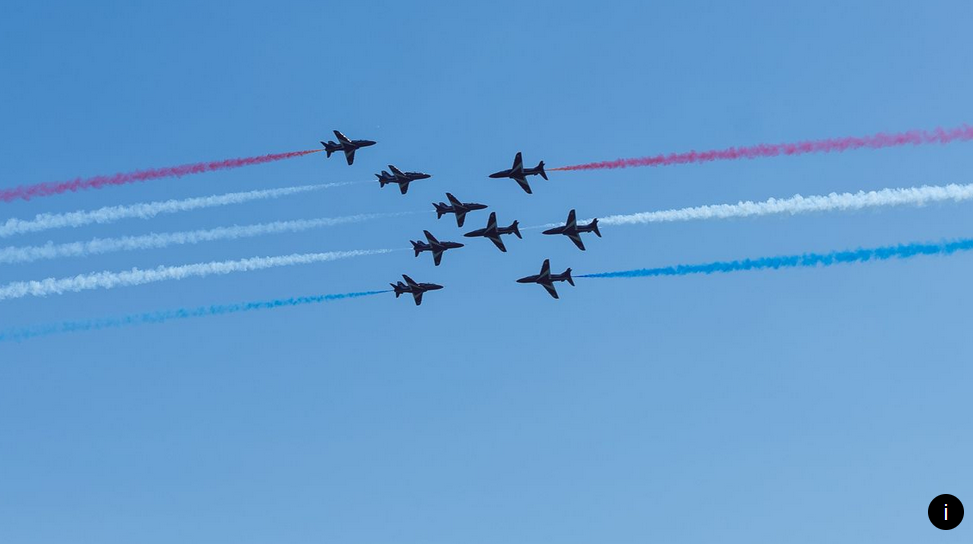
PHOTO: Breathtaking aerial spectacle at NATO Days in Ostrava
https://www.novinky.cz/cla...
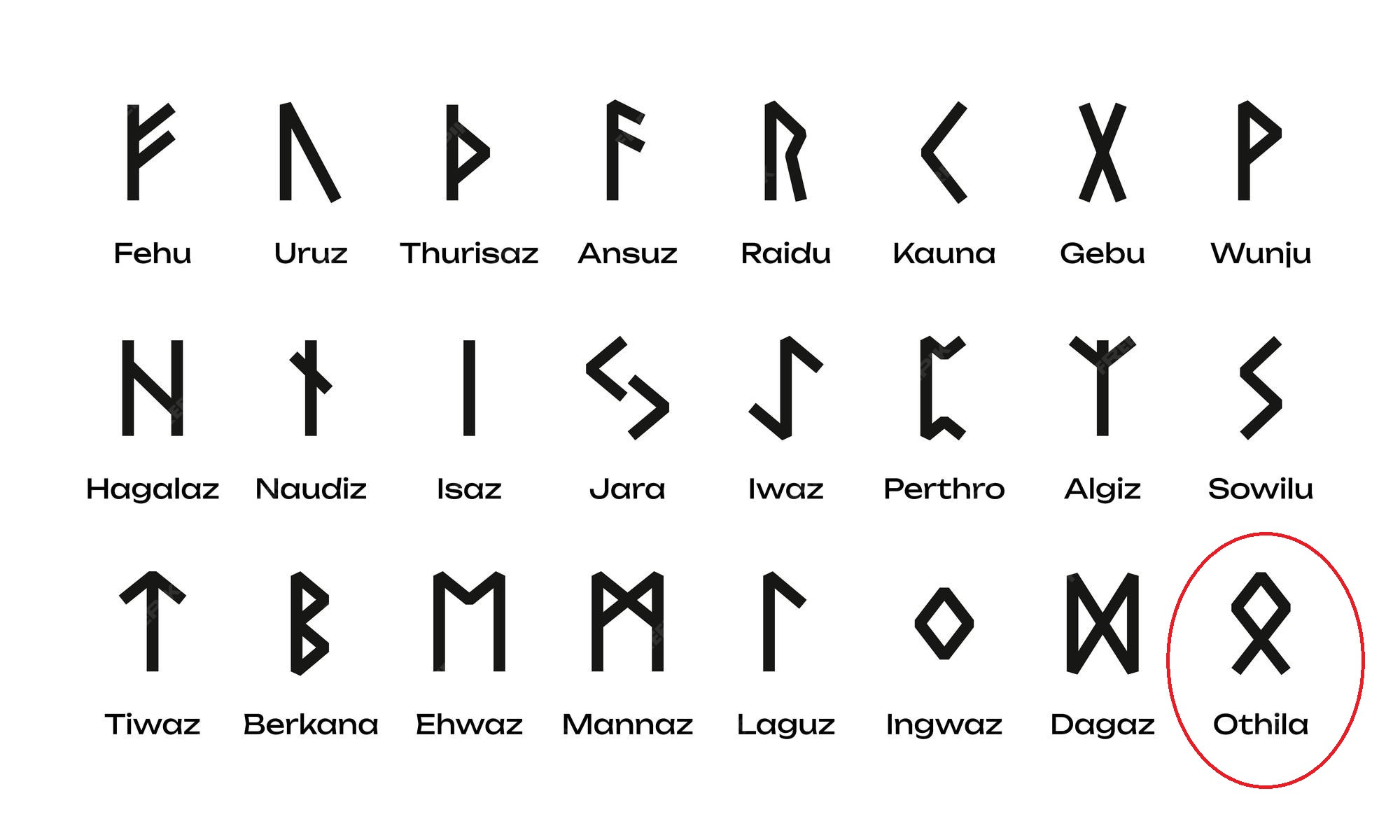
"Othala (ᛟ), also known as ēðel and odal, is a rune that represents the o and œ phonemes in the Elder Futhark and the Anglo-Saxon Futhorc writing systems respectively. Its name is derived from the reconstructed Proto-Germanic *ōþala- "heritage; inheritance, inherited estate". As it does not occur in Younger Futhark, it disappears from the Scandinavian record around the 8th century, but its usage continued in England into the 11th century, where it was sometimes further used in manuscripts as a shorthand for the word ēðel ("homeland"), similarly to how other runes were sometimes used at the time."
PHOTO: Breathtaking aerial spectacle at NATO Days in Ostrava
https://www.novinky.cz/cla...
"Othala (ᛟ), also known as ēðel and odal, is a rune that represents the o and œ phonemes in the Elder Futhark and the Anglo-Saxon Futhorc writing systems respectively. Its name is derived from the reconstructed Proto-Germanic *ōþala- "heritage; inheritance, inherited estate". As it does not occur in Younger Futhark, it disappears from the Scandinavian record around the 8th century, but its usage continued in England into the 11th century, where it was sometimes further used in manuscripts as a shorthand for the word ēðel ("homeland"), similarly to how other runes were sometimes used at the time."
12:24 PM - Sep 20, 2025
(E)
In response eva amálka k...... to her Publication
Only people mentioned by AmalLikesToPlay in this post can reply